Tiny Fighters


Posted on January 12, 2026 by Marketing and Communications
Marketing and Communications

  • Baby in nicu
  • PARENTS QUICKLY LEARN the unit’s language: terms like sats (a baby’s oxygen level) and FiO₂ (how much oxygen the team is giving). It becomes part of how they understand each day’s progress.
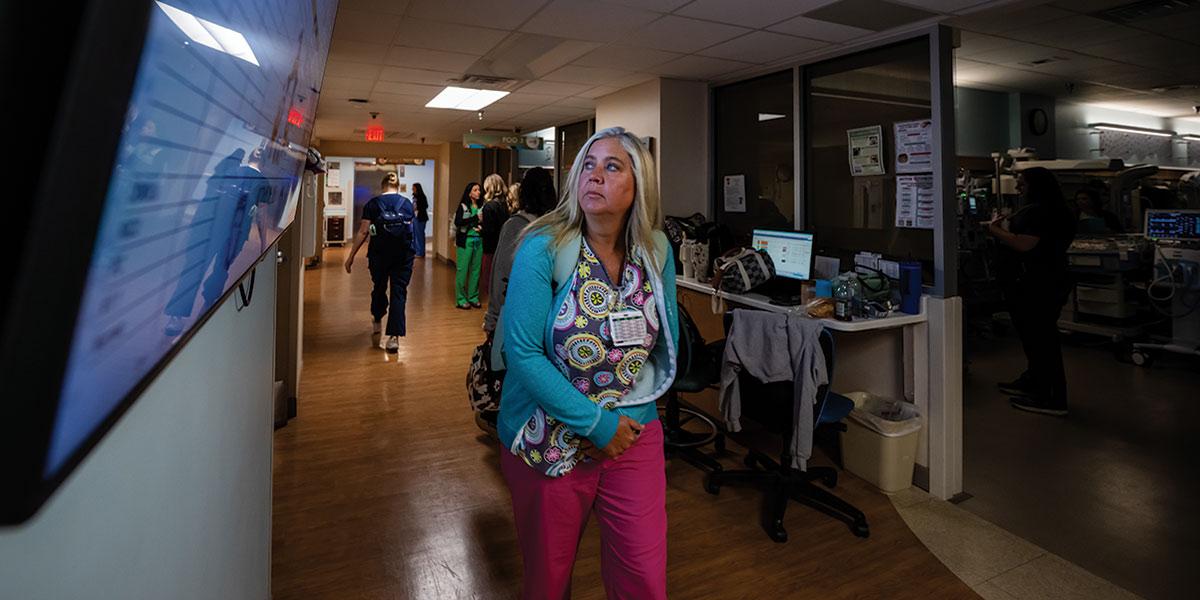
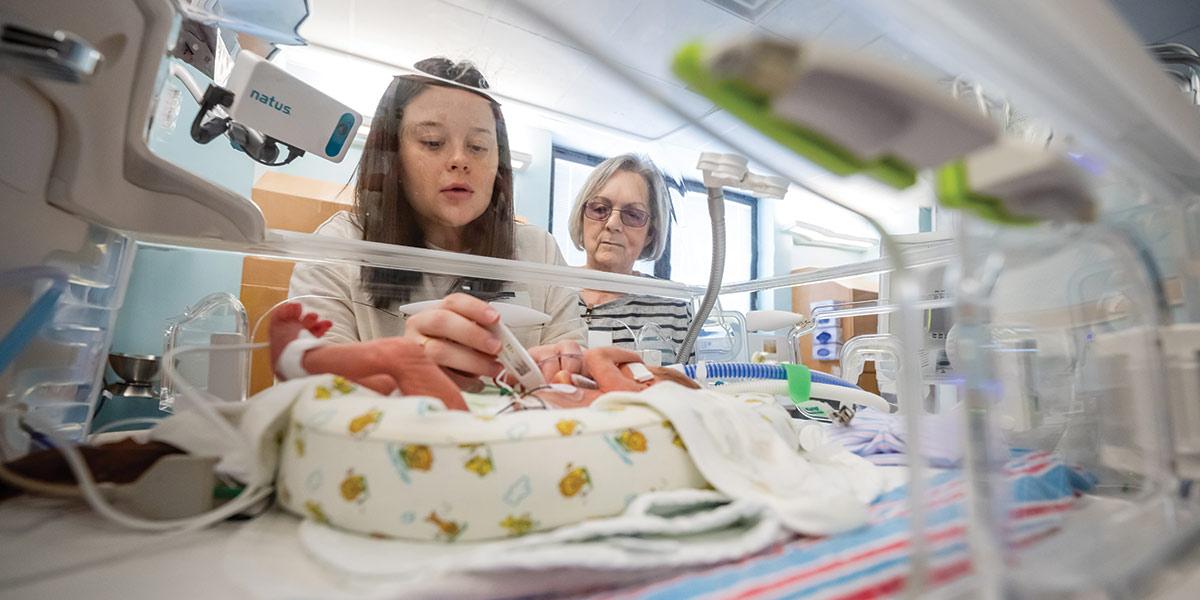
  • IN A PLACE where conditions can shift quickly, nurses stay ahead by absorbing information wherever they are, even in the brief steps between one pod to the next. Some infants arrive here, in the region’s only Level III NICU, at just 21 weeks and 5 days — an age when survival depends on a highly specialized team and environment.
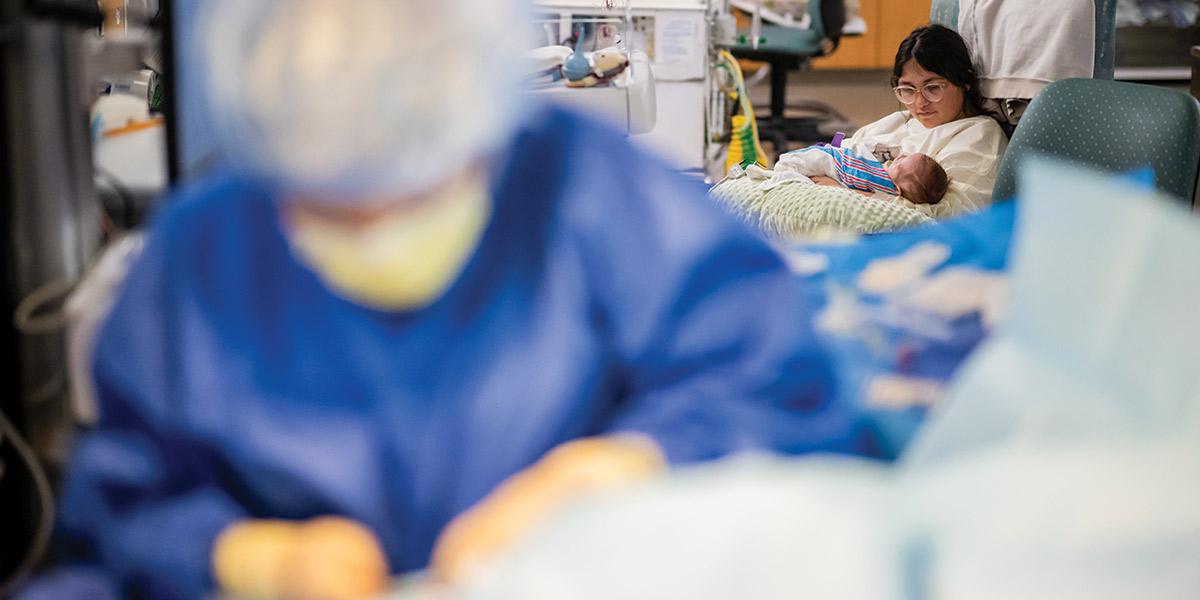
  • Mother holding baby in NICU with nurse working in front of her.
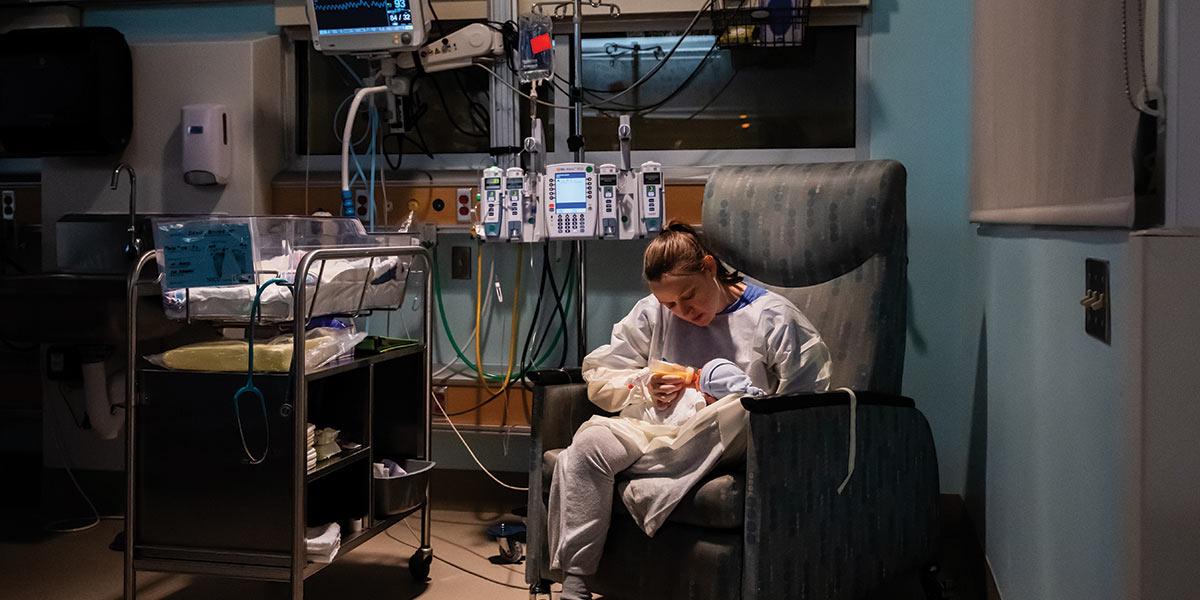
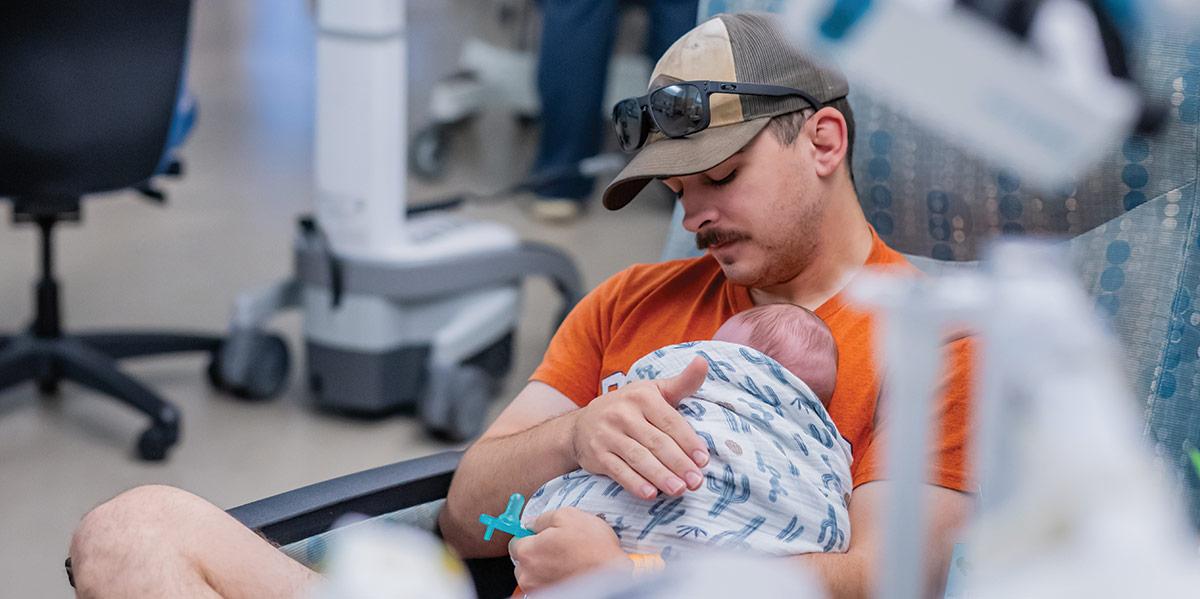
  • PARENTS CREATE “CORNERS” and live within them: Families bring family photos and other items from home. In an open, sterile, often chaotic unit, it’s a necessary family comfort zone. Learning to eat independently is one of the toughest hurdles for some babies. Parents practice feeding routines here day after day as their child gains strength.
  • Father holding baby in the NICU.
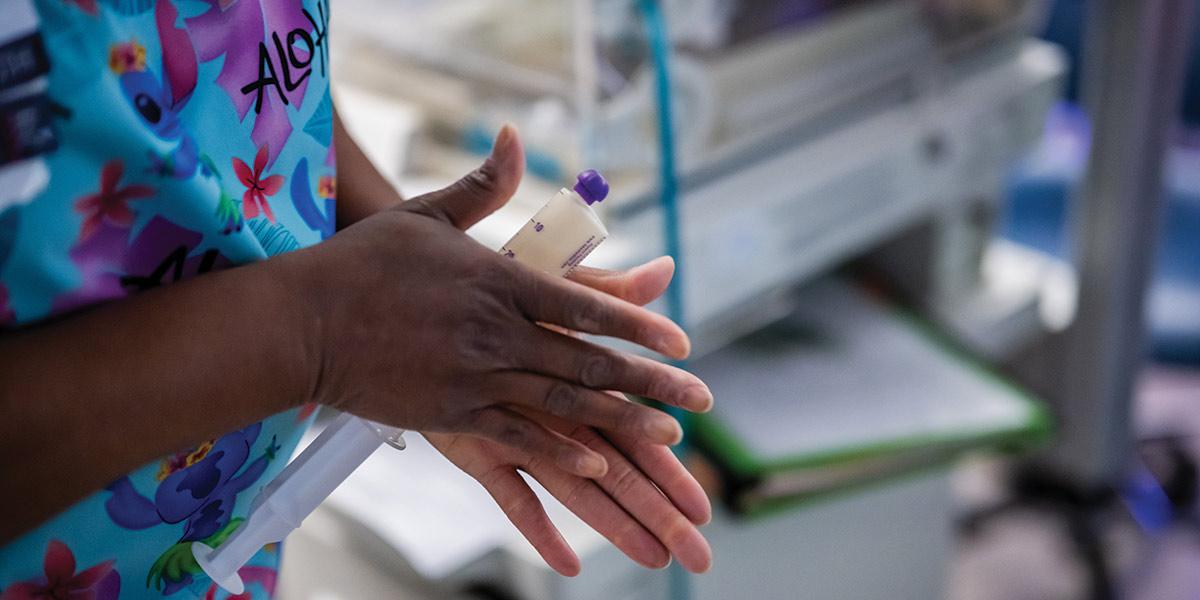
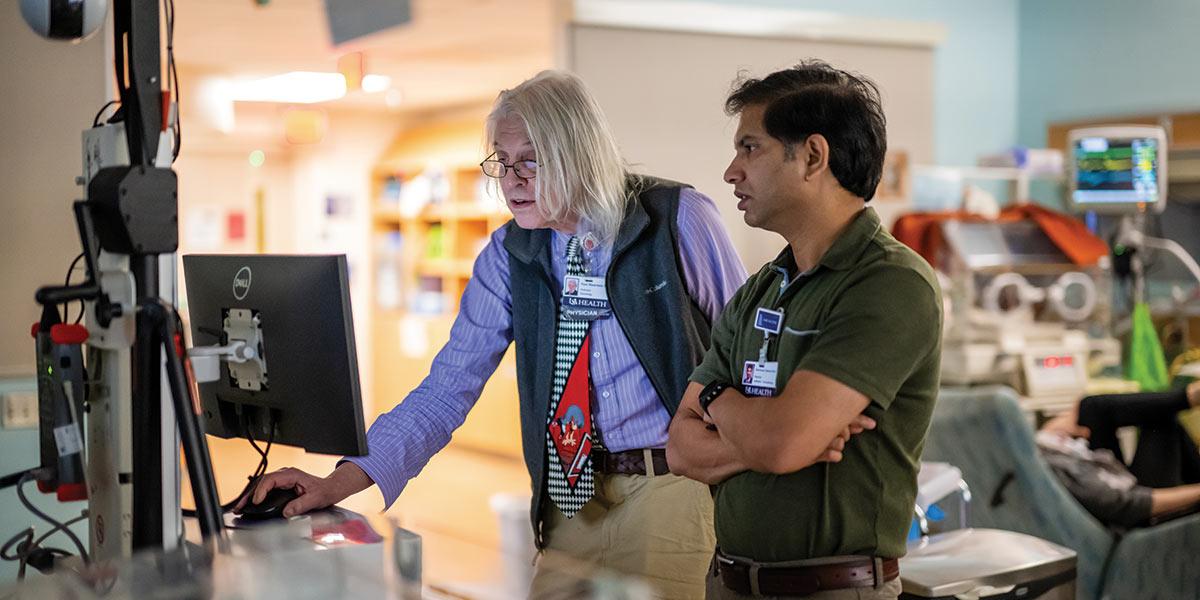
  • COLOSTRUM — the first milk, rich with antibodies — is handled with care. Though advanced machines can do the work, this nurse prefers to warm and mix it by hand, a method honed through years of caring. Below, NICU physicians review each baby’s progress several times a day, adjusting ventilator settings, feeds and medication based on even small changes.
  • NICU Doctors consulting looking at computer.
  • A SMALL CAMERA above each NICU bed allows parents to check in through a secure app. When families are here in person, they see what they can also view from home: a tiny body sur-rounded by care.
PARENTS QUICKLY 
LEARN the unit’s 
language: terms like 
sats (a baby’s oxygen 
level) and FiO₂ (how 
much oxygen the 
team is giving). It 
becomes part of how 
they understand each 
day’s progress.
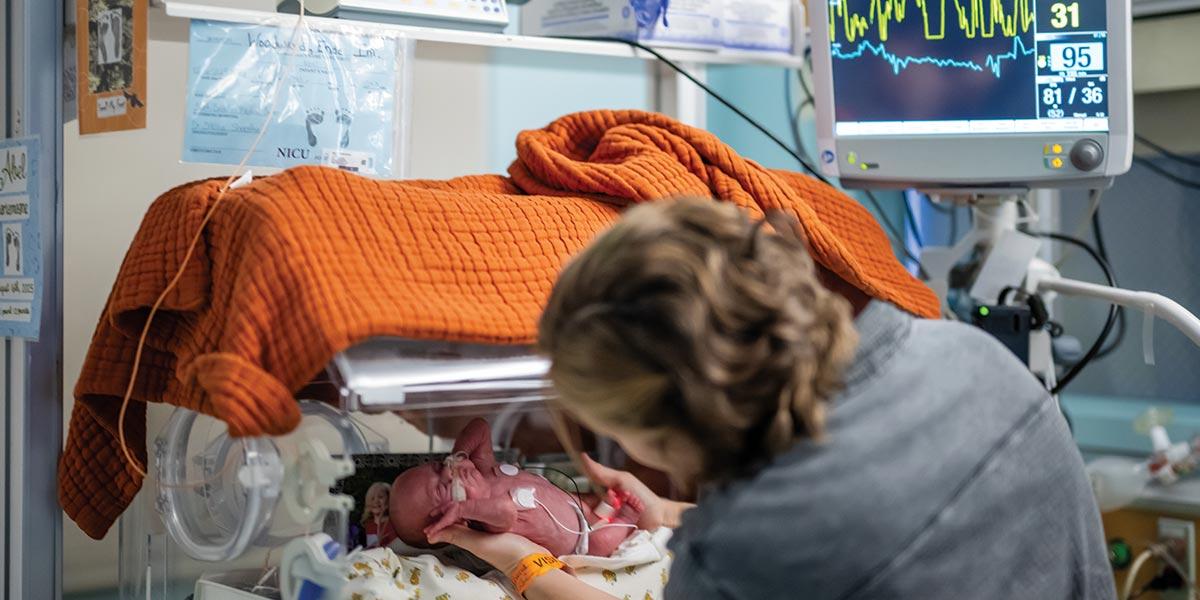
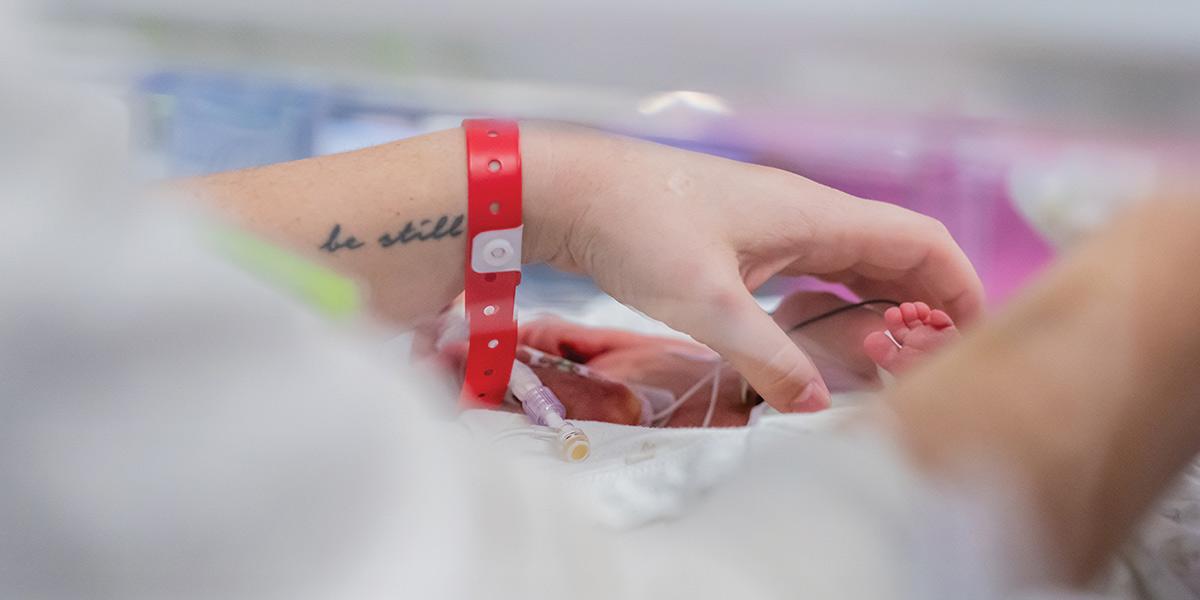
  • BECAUSE stroking can be overstimulating for the smallest babies, parents offer a still “hand hug,” providing gentle pressure for comfort. A curled finger around a parent’s hand can be a reassuring response.
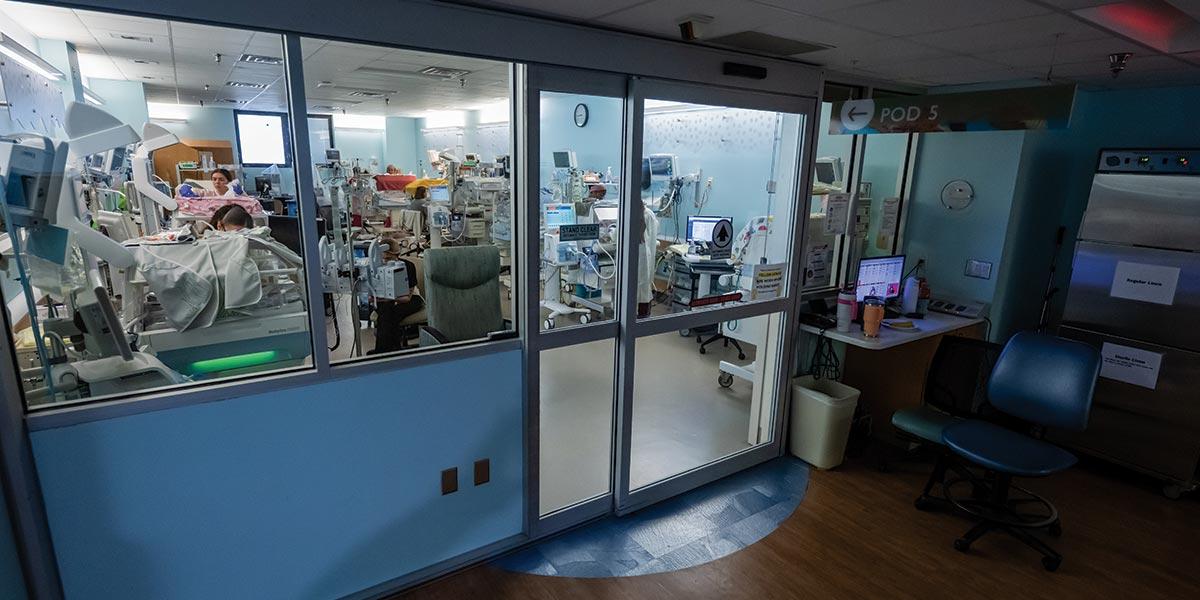
  • Outside of NICU looking through glass.


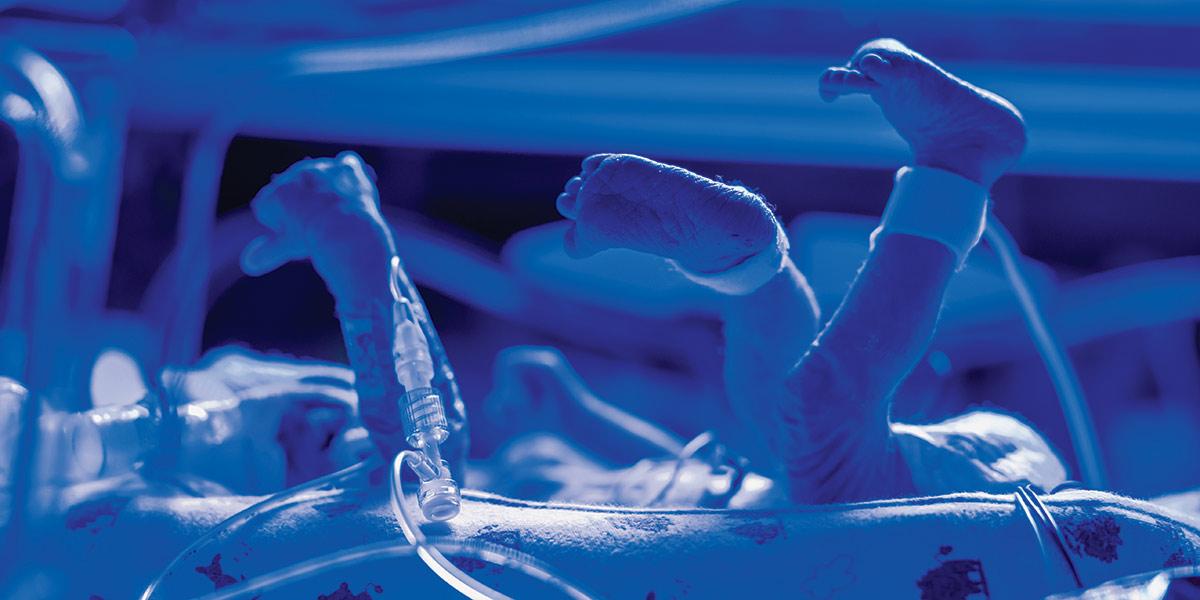
In the Hollis J. Wiseman Neonatal Intensive Care Unit at USA Health Children’s & Women’s Hospital, strength begins small, measured in breaths, heartbeats and the determined push of a foot no larger than a thumb. These tiny patients keep showing us what resilience looks like with a rise in the chest or a stretch of an arm. It’s the hardest work they’ll ever do. But they won’t do it alone. Nearly 50 NICU nurses staff the unit each day — part of a multidisciplinary team of more than 300 supporting the hospital’s largest unit.

About 1,000 babies a year are admitted to the NICU. On this day, more than 75 babies and their parents move through a rhythm of feedings, vitals and long waits.


Share on Social Media